AAshonee Premium manual grinder review: fresh espresso on a budget
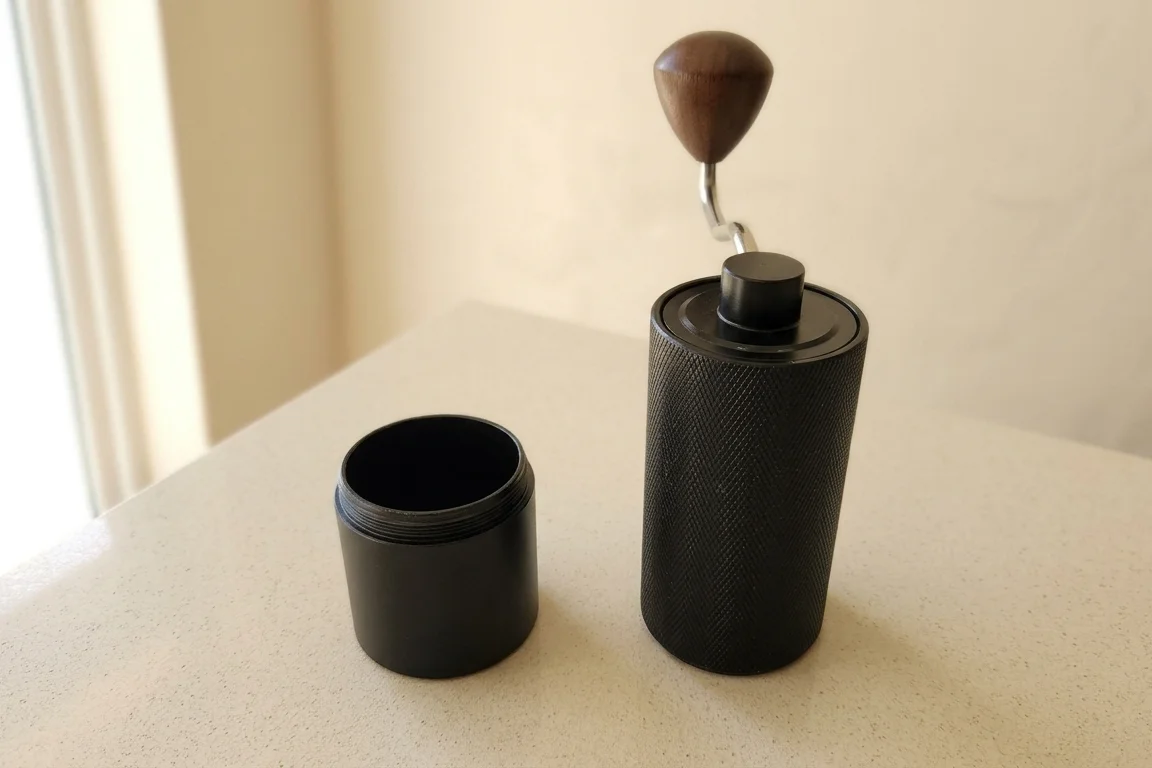
Quick verdict
Tested by me- Rating
- 3/5
- Best for
- Fresh-bean days, if you enjoy the ritual. Not for most people
I've had the AAshonee Premium manual grinder for about six months. It's a little tough to turn, and a double-shot dose takes me 5 to 10 minutes, so I only use it when I have fresh beans. Once the grind size is right, and that took a few tries, the shot comes out perfect and you taste pure coffee. Freshly ground coffee is very important for a good extraction, but I wouldn't recommend a manual grinder for most people: it's too slow for every day.
Why I bought a hand grinder
Coffee starts losing its aroma soon after it’s ground, so grinding just before you brew is one of the easiest ways to a better shot. A good electric espresso grinder costs more than my Dedica did. A manual grinder gets you fresh, espresso-fine coffee for a lot less, as long as you don’t mind doing the work.
I’ve had the AAshonee Premium manual grinder for about six months.
What it’s like to use
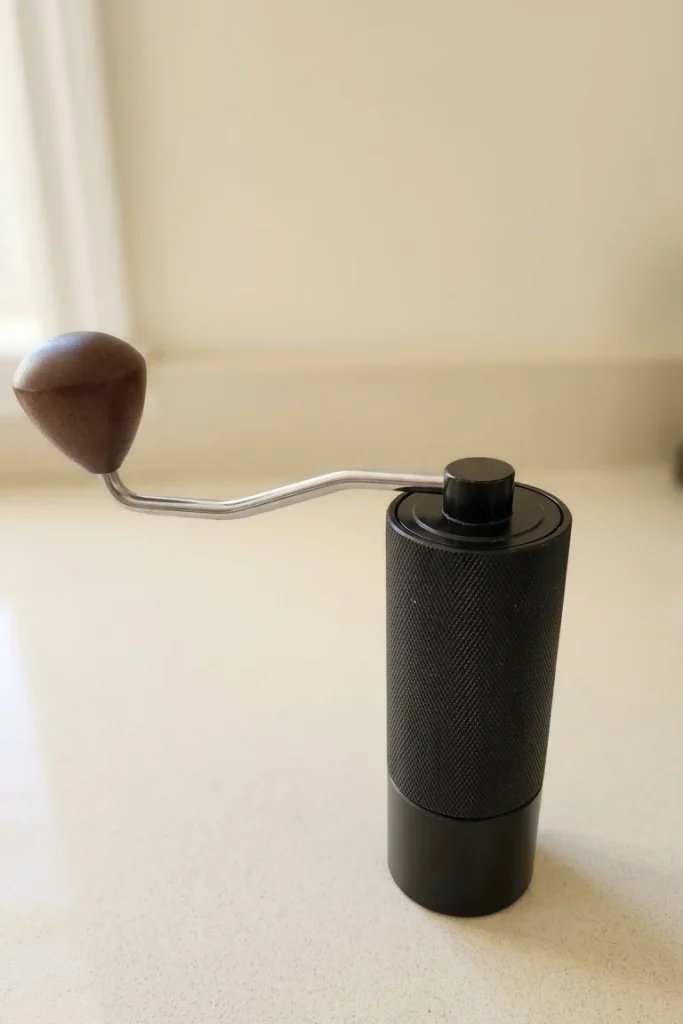
Honestly, it’s a workout. Grinding 14–16 g for a double shot takes me about 5 to 10 minutes, and the handle is a little tough to turn. That’s why I don’t use it every day: it comes out when I have fresh beans, and the rest of the time I use pre-ground coffee.
But when I do use it, it’s worth it. With the right grind size, the shot comes out perfect, and you taste pure coffee, not just “strong”.
Rookie mistake
Expecting the first grind to be right. Getting the grind size right took me a few tries, so grind a little, brew, taste and adjust.
Is it fine enough for espresso?
Yes. It goes fine enough for espresso on my Dedica. There’s no single magic setting, though: the right grind depends on the beans, how fresh they are, the machine and the basket you’re using. Expect to adjust it each time you open a new bag.
A quick way to dial in: start somewhere in the middle, brew a double, and taste. Sour and fast? Go finer. Bitter and slow? Go coarser. Change one step at a time. My beginner’s guide has the numbers to aim for.
Fresh beans, bottomless portafilter
My fresh-bean days are also my bottomless portafilter days. A bottomless portafilter with a non-pressurised basket depends entirely on the grind, so this is where a proper grinder makes the biggest difference. With the Dedica’s standard pressurised basket, pre-ground coffee is fine.
Who should buy it
Here’s my honest answer: I wouldn’t recommend a manual grinder for most people. Freshly ground coffee is very important for a good extraction, but grinding by hand takes too long to be an everyday habit.
It makes sense if you enjoy the ritual, want fresh coffee on a budget and don’t mind spending a few minutes on each shot. If you want a quick coffee every morning before work, it will end up in the cupboard.
Pros
- Fine enough for espresso on my Dedica
- Pure coffee taste when the grind is right
- Fresh-ground coffee for much less than an electric espresso grinder
Cons
- Slow: 5 to 10 minutes for a double-shot dose
- A little tough to turn
- The grind needs adjusting for each coffee and machine
Specs
| Type | Manual (hand) grinder |
|---|---|
| Grind | Fine enough for espresso (my own use) |
| Time for 14-16 g | About 5-10 minutes (my own use) |
From my own use.
Who it’s for
If you enjoy the ritual and want fresh coffee on a budget: maybe.
For most people, and anyone who wants a quick coffee before work: no, it takes too long.